🚚 Free US Shipping on All 2-Packs • 🛡️ 30-Day Money-Back Guarantee
🌿 CLINICAL-GRADE MOISTURE BARRIER
Targeted Relief for Intertrigo, Chafing & Irritated Skin Folds
Say goodbye to painful burning, raw redness, and trapped moisture. Intertrigo Relief Cream forms an invisible, breathable micro-barrier that neutralizes friction and stops sweat maceration under breasts, between thighs, around the groin, and across abdominal folds.
Stops Friction On Contact: Eliminates painful skin-on-skin shear force and “chub rub” immediately.
Advanced Breathable Moisture Seal: Locks out corrosive sweat while allowing natural epidermal respiration.
Clean, Non-Greasy & Non-Staining: Absorbs in seconds, leaves zero white residue, and will not ruin clothing or bras.
100% Fragrance-Free & Hypoallergenic: Dermatologist-formulated specifically for delicate, inflamed intertriginous skin.
$19.99
$29.99
Save $10.00 (33% OFF)
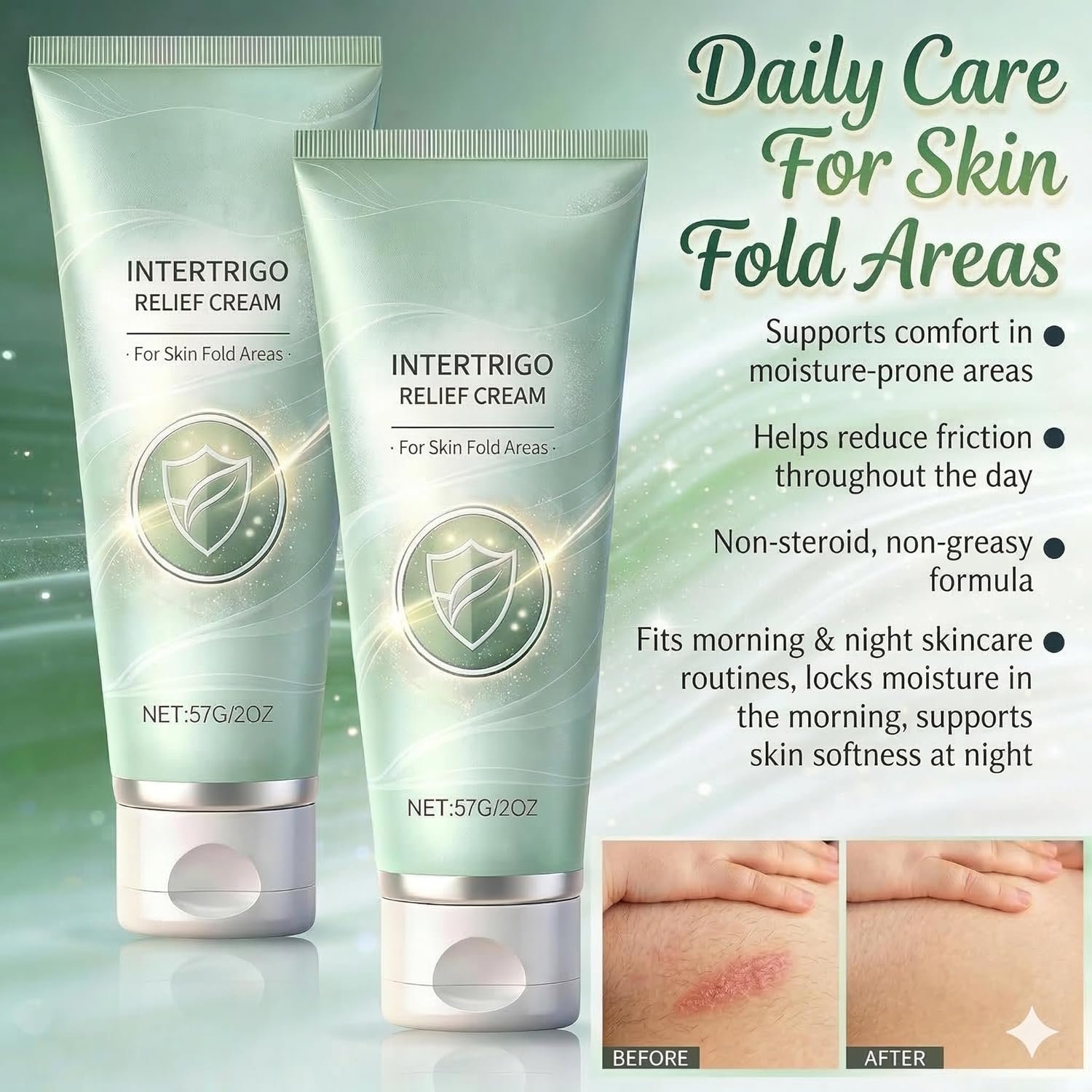
📦 Special 2-Pack Value: Includes two full-size 2 oz (57g) tubes for uninterrupted home and travel protection.
🚚 Free 2–3 Day US Shipping
🛡️ 30-Day Money-Back Guarantee
⭐ 4.9/5 Rating (1,240+ Reviews)
🌿 100% Fragrance-Free
 🛡️ Sweat-Resistant Barrier
98%
Reported Immediate Relief from Burning & Stinging
24-Hour
Continuous Friction & Moisture Barrier Protection
0%
Harsh Fragrances, Parabens, Dyes or Mineral Oil
1,240+
Verified Sufferers Living Comfortably & Friction-Free
WHERE DOES INTERTRIGO OCCUR?
Engineered for Every High-Friction Skin Fold
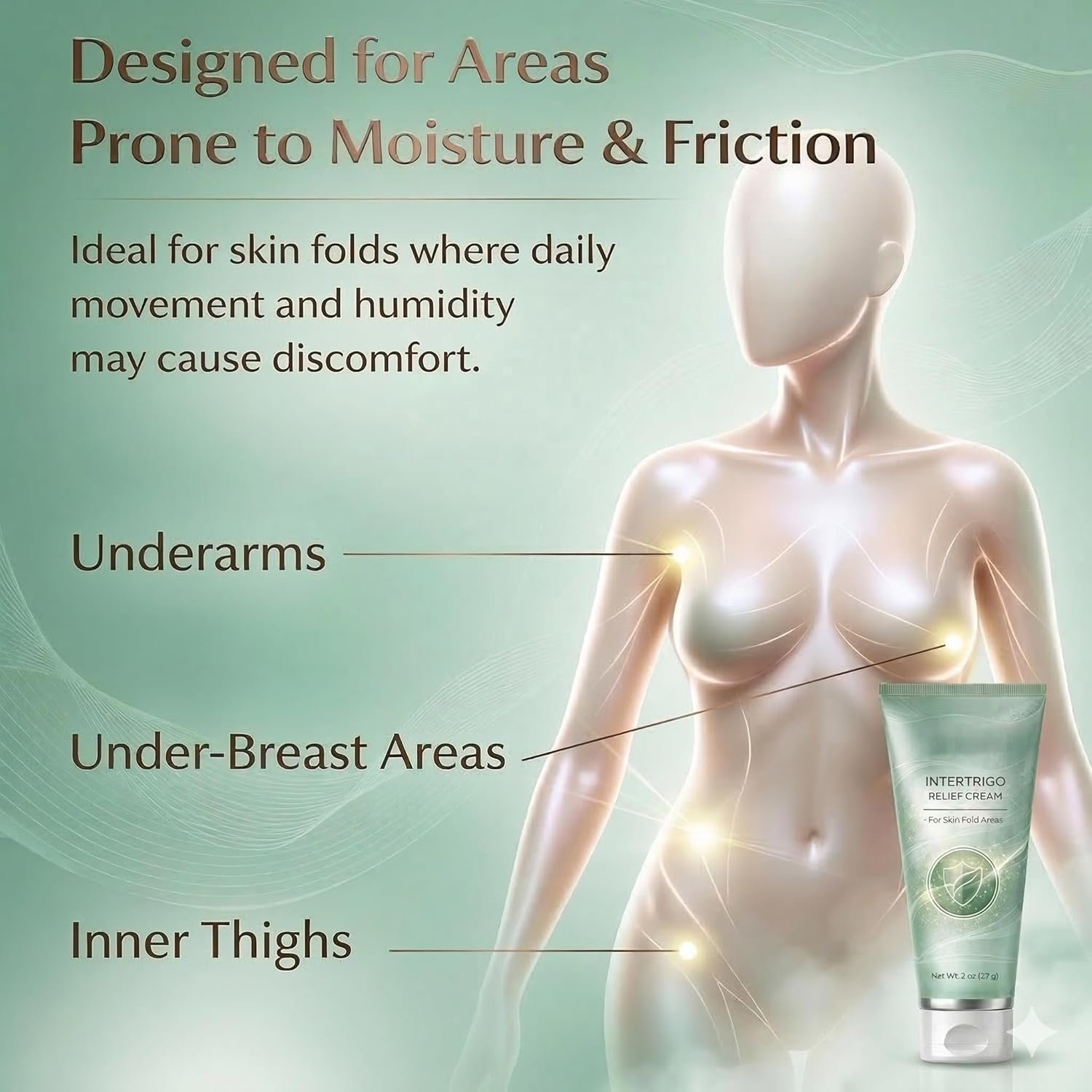
Intertrigo thrives in warm, occluded body creases where skin rubs on skin and moisture cannot evaporate. Intertrigo Relief Cream provides targeted relief for all high-risk areas.
Under-Breast Folds (Inframammary)
Stops painful underwire friction, heat rash, and stubborn sweat pooling under the breasts. Keeps delicate bust skin dry, calm, and fresh all day long.
Inner Thighs & Inguinal Folds
Eliminates agonizing “chub rub” and raw thigh chafing when walking, working, or exercising. Glides on effortlessly without feeling greasy or heavy.
Abdominal Pannus & Stomach Creases
Protects deep stomach overhangs and apron folds from moisture maceration, painful red creases, and unpleasant sweat-induced odors.
Underarms & Axillary Creases
Soothes sensitive armpit folds irritated by friction, harsh deodorants, or shaving trauma. Restores comfort without clogging delicate pores.
Groin & Gluteal Cleft
Safeguards intimate skin folds and buttocks creases from heat accumulation, tight clothing friction, and sweat breakdown during extended sitting.
Neck Folds & Sensitive Creases
Gentle enough for delicate neck folds and behind-knee creases. Hypoallergenic, pediatric-tested gentleness with medical-grade efficacy.
THE CLINICAL DIFFERENCE
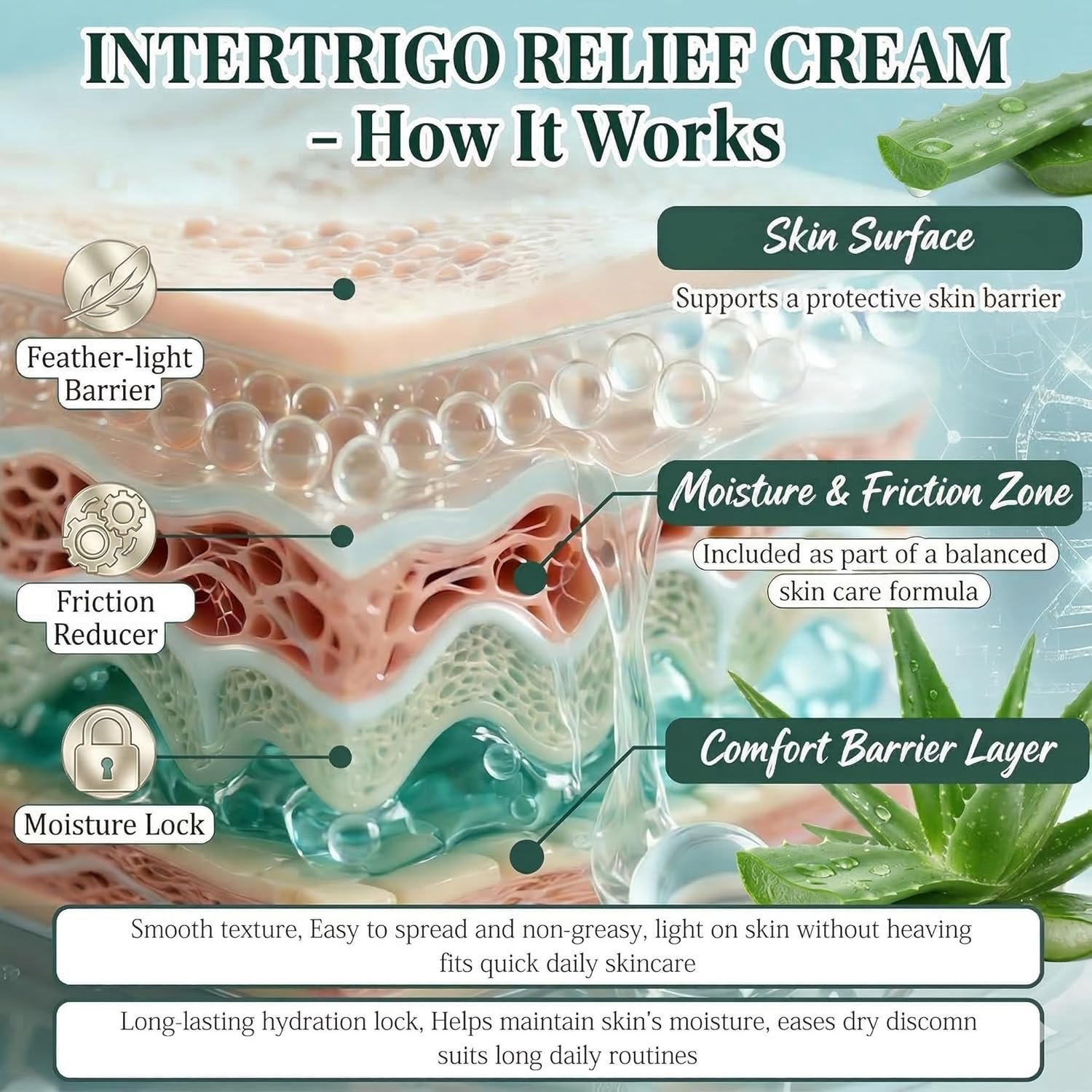
The Tri-Shield Protection Matrix
Most creams fail because they either trap sweat (like petroleum jelly) or feed fungal yeast (like cornstarch). Our dermatologist formulation works via three synchronized protective stages.
STAGE 1
Friction Glide Defense
A specialized silicone polymer matrix coats the epidermis with a microscopic, silky lubrication layer that completely eliminates friction and shear stress between opposing skin surfaces.
STAGE 2
Breathable Hydrophobic Seal
Unlike greasy ointments that suffocate your skin, this breathable hydrophobic barrier repels acidic sweat, humidity, and enzymes while allowing vital oxygen to reach the skin barrier.
STAGE 3
Epidermal Calming Complex
Infuses inflamed, raw skin with restorative calming agents that immediately soothe burning erythema, accelerate skin barrier recovery, and maintain a balanced epidermal microbiome.
WHY TRADITIONAL REMEDIES FAIL
Intertrigo Relief Cream vs. Common Alternatives
See why ordinary powders, petroleum jellies, and steroid creams often worsen skin fold irritation over time.
| Feature / Treatment Benefit | Intertrigo Relief Cream | Baby Powder / Cornstarch | Petroleum Jelly (Vaseline) | Hydrocortisone (Steroids) |
|---|---|---|---|---|
| Stops Skin-on-Skin Friction | ✓ Yes (Long-Lasting Glide) | ⚠️ Temporary (Wears Off) | ⚠️ Greasy & Slippery | ✗ No Friction Barrier |
| Breathable (Doesn’t Suffocate Skin) | ✓ Yes (Micro-Porous) | ✗ Clumps Into Paste | ✗ Traps Heat & Sweat | ✗ Heavy Vehicle |
| Doesn’t Feed Yeast (Candida) | ✓ 100% Yeast-Safe | ✗ Feeds Candida Yeast! | ⚠️ Creates Moist Incubator | ✗ Fuels Fungal Growth |
| Safe for Daily Long-Term Use | ✓ 100% Safe Every Day | ⚠️ Inhalation Risks (Talc) | ⚠️ Clogs Pores / Folliculitis | ✗ Risks Skin Thinning (Atrophy) |
| Clean & Non-Staining on Clothes | ✓ Invisible & Stainless | ✗ Messy White Dust | ✗ Destroys Fabrics & Bras | ⚠️ Greasy Residue |
GENUINE CLINICAL PACKAGING
Two Full-Size 2 oz Tubes in Every Order
Keep one tube in your bathroom medicine cabinet and take one on the go for total daily peace of mind.
Value 2-Pack Packaging
Direct Precision Applicator
Medical-Grade Barrier Formula
All-Day Invisible Comfort
DERMATOLOGICAL CLINICAL MONOGRAPH
The Comprehensive Clinical Guide to Intertrigo: Causes, Pathophysiology, Prevention, and Advanced Barrier Management
Key Clinical Takeaways
- Intertrigo is an inflammatory condition caused by mechanical friction, trapped moisture, and lack of air circulation in overlapping skin folds (the intertriginous zone).
- Maceration is the primary precursor to skin breakdown: prolonged sweat softens the stratum corneum, compromising the lipid matrix and allowing friction to shear the skin open.
- Cornstarch and talc powders often exacerbate disease: cornstarch acts as organic fuel for Candida albicans yeast, while talcum powder forms abrasive pastes when mixed with sweat.
- Topical steroids carry high risks in skin folds: prolonged hydrocortisone use in occluded, thin skin folds leads to rapid cutaneous atrophy, telangiectasia, and rebound dermatitis.
- The dermatological gold standard relies on a 4-step framework: gentle syndet cleansing, complete drying, applying a breathable hydrophobic silicone barrier cream, and wearing friction-defending apparel.
1. Introduction & Epidemiological Overview
Intertrigo (often classified as intertriginous dermatitis) represents one of the most prevalent, physically distressing, and frequently mismanaged inflammatory dermatoses in clinical practice. The term originates from the Latin roots inter (between) and terere (to rub), directly summarizing the mechanical foundation of the disorder: pathological friction occurring where two opposing surfaces of skin come into direct, repetitive contact.
While intertrigo is colloquially dismissed as simple “chafing” or “sweat rash,” it is a distinct, progressive pathophysiological state characterized by epidermal maceration, erythema, localized burning, and a high susceptibility to secondary microbiological superinfections. Clinical epidemiological surveys estimate that millions of adults experience recurrent episodes annually. It affects individuals of all demographic backgrounds, although specific subpopulations demonstrate heightened vulnerability, including endurance athletes, occupational workers exposed to high ambient heat, post-bariatric patients with redundant skin folds, individuals with an elevated Body Mass Index (BMI), and patients managing metabolic conditions such as diabetes mellitus.
Despite its ubiquitous nature, intertrigo is plagued by patient hesitation and delayed treatment due to embarrassment, as the affected anatomic sites—the inframammary crease, groin, axillae, and abdominal panniculus—are deeply personal. Patients frequently endure weeks of debilitating discomfort, burning pain, and clothing friction before seeking intervention, often attempting counterproductive home remedies that inadvertently exacerbate the underlying inflammation.
2. Anatomy and Pathophysiology of the Intertriginous Zone
To understand why intertrigo develops, one must analyze the unique microenvironment of the intertriginous zone. Human skin is naturally engineered to breathe, perspire, and dissipate heat into the surrounding atmosphere. However, when skin folds overlap, this physiological exchange is severely compromised, creating a localized microclimate defined by three destructive factors: elevated temperature, excessive moisture retention, and zero air circulation.
The Process of Epidermal Maceration
Under normal circumstances, the stratum corneum (the outermost layer of the epidermis) functions as a robust “brick-and-mortar” barrier. Corneocytes (the bricks) are densely embedded within a hydrophobic lipid matrix composed of ceramides, cholesterol, and free fatty acids (the mortar). perspiratory evaporation keeps this barrier in a state of controlled hydration.
In an occluded skin fold, eccrine sweat cannot evaporate. Instead, water accumulates continuously against the stratum corneum. Over several hours, this excessive moisture leads to maceration—the hyper-hydration and swelling of keratinocytes. Macerated skin loses its structural tensile strength; the cellular bonds weaken, intracellular lipids are washed away, and the protective acid mantle (which normally maintains a defensive pH between 4.5 and 5.5) becomes neutralized. The once resilient barrier becomes soft, spongy, and exceptionally fragile.
Mechanical Shear Stress and Friction Abrasion
Once maceration compromises the epidermis, physical movement introduces the second destructive force: mechanical friction. As opposing skin surfaces slide against each other during walking, reaching, or daily activities, the softened cellular layers experience intense shear stress. Desmosomes (the protein structures that hold skin cells together) tear under microscopic friction.
This mechanical abrasion strips away the protective superficial corneocytes, exposing deeper, richly innervated epidermal layers. The immediate consequence is a release of pro-inflammatory cytokines (including interleukin-1 alpha and tumor necrosis factor-alpha), triggering localized vasodilation, intense erythema (redness), sharp stinging, and a burning sensation that worsens with every step.
Clinical Insight: The Intertriginous Vicious Cycle
Moisture leads to maceration → Maceration increases frictional coefficient → Friction strips the epidermal barrier → Denuded skin triggers inflammatory vasodilation → Increased metabolic heat stimulates additional localized sweating → The cycle repeats with escalating severity.
3. Anatomical Distribution: Where Does Intertrigo Strike?
Intertrigo can manifest across any anatomical site where skin surfaces make persistent contact. However, certain anatomical regions represent primary clinical hotspots:
The Inframammary Fold (Under-Breast Crease)
The crease beneath the breasts is one of the most common sites for intertrigo, particularly in individuals with larger bust sizes or those wearing underwire brassieres. Gravity pulls breast tissue down onto the chest wall, creating a deep, warm pocket where perspiration rapidly pools. The constant downward pressure combined with the rigid synthetic elastic of bra bands creates severe frictional rubbing, leading to a distinct, symmetrical red band that can become raw and weeping within 24 to 48 hours.
The Inguinal Creases and Inner Thighs
The inner thighs and groin represent high-impact mechanical zones. During ambulation (walking or running), the inner medial thighs rub together hundreds to thousands of times per hour. In hot or humid weather, sweat glands in the perineal and inguinal areas produce significant moisture. The combination of skin-on-skin rubbing and tight fabric friction produces the classic “chub rub” phenomenon—a fiery, painful rash that makes walking excruciating.
The Abdominal Panniculus (Stomach Apron Folds)
In individuals with significant abdominal weight, post-pregnancy abdominal changes, or dramatic weight loss, the lower abdominal wall forms an overlapping fold known as a panniculus. The space beneath this apron fold receives virtually zero light and airflow. Moisture from sweat and ambient humidity remains trapped indefinitely, creating deep linear fissures, macerated white skin margins, and significant discomfort.
The Axillary Vault (Underarms)
The armpit is characterized by dense populations of both eccrine and apocrine sweat glands. Constant arm swinging during movement generates repetitive friction. Furthermore, regular shaving creates microscopic epidermal nicks, and alcohol- or aluminum-based deodorants can chemically irritate the already sensitized fold, precipitating acute axillary intertrigo.
Interdigital and Gluteal Creases
Secondary sites include the interdigital spaces between the toes or fingers, behind the knees (popliteal fossae), the antecubital fossae (inner elbows), and the gluteal cleft (between the buttocks). In sedentary or bedridden patients, prolonged pressure on the gluteal fold rapidly triggers intertriginous inflammation.
4. Etiological Triggers and High-Risk Patient Profiles
While mechanical friction and moisture represent the universal causes of intertrigo, clinical research has identified several systemic and environmental variables that substantially amplify a patient’s risk profile:
- Hyperhidrosis (Excessive Sweating): Individuals with primary or secondary hyperhidrosis produce excessive volumes of perspiration, creating near-permanent maceration within skin folds even in temperate climates.
- Body Mass Index (BMI) & Body Composition: Increased adipose tissue expands the surface area of skin folds and deepens the fold crevices, creating larger occluded zones with diminished natural ventilation.
- Diabetes Mellitus & Insulin Resistance: Patients with elevated blood glucose levels experience altered microvascular circulation, diminished cutaneous immunity, and higher glucose concentrations in their perspiration. This glucose-rich sweat serves as a potent nutrient source for fungal and bacterial pathogens.
- Warm, Humid Climates: Summer spikes in atmospheric humidity drastically reduce the rate of evaporative cooling, triggering an influx of intertrigo cases during warm seasons.
- Synthetic, Occlusive Fabrics: Non-breathable polyesters, elastanes, and nylon fabrics trap moisture against the skin and generate abrasive friction against vulnerable folds.
- Urinary or Fecal Incontinence: The introduction of urine or feces introduces urea, digestive enzymes, and elevated pH, rapidly dissolving the epidermal barrier and triggering severe intertrigo complicated by irritant contact dermatitis.
5. Clinical Progression: From Early Chafing to Complicated Disease
Intertrigo is not a static condition; it evolves through distinct clinical stages if left untreated or improperly managed:
Stage 1: Mild / Early Erythema
The earliest manifestation begins as a faint pink or light red coloration in the deepest line of the skin fold. The patient experiences a mild chafing sensation, slight warmth, and a brief stinging prickle when sweat first contacts the skin. The skin surface remains intact without visible erosion or weeping.
Stage 2: Moderate Inflammatory Intertrigo
As friction continues against macerated tissue, the erythema intensifies into a vivid, “beefy red” or confluent plaque that mirrors each side of the fold (often called a “mirror-image” lesion). The skin feels hot to the touch, and the patient reports continuous burning, throbbing discomfort, and severe itching (pruritus). The superficial epidermis begins to peel, crack, or slough off in fine white scales.
Stage 3: Severe Erosive & Fissured Intertrigo
In advanced stages, the stratum corneum is entirely stripped away. The skin becomes raw, glistening, and denuded. Deep, agonizing linear cracks (known as fissures) form along the natural cleavage lines of the fold, which may ooze serous exudate or blood. The patient finds normal clothing and walking almost intolerable. At this stage, the risk of secondary microbial colonization approaches 100%.
Stop The Progression Before It Reaches Stage 3
Do not let mild chafing turn into a painful, weeping infection. Apply Intertrigo Relief Cream at the first sign of redness to immediately shield your skin from friction and sweat damage.
Claim Your 2-Pack Value Set ($19.99)6. Secondary Superinfections: Fungal vs. Bacterial Complications
A fundamental clinical rule in dermatology states: uncomplicated intertrigo will eventually become complicated intertrigo if moisture is not eradicated. The warm, dark, moist environment of a skin fold represents a near-perfect incubator for opportunistic microorganisms that normally live harmlessly on the skin’s surface.
Candidal Intertrigo (Fungal Yeast Infection)
The most frequent complication of intertrigo is infection by the polymorphic fungus Candida albicans. Candida is naturally present in microscopic quantities on human skin, kept in check by an intact skin barrier, acidic pH, and competing flora. However, when the skin becomes warm, macerated, and alkaline, Candida transitions from its benign yeast phase into an aggressive hyphal form that invades the epidermis.
Clinical Hallmarks of Candidal Intertrigo:
- Fiery, Beefy-Red Coloration: The skin takes on an intense, inflamed red hue with glistening margins.
- Satellite Lesions: This is the pathognomonic diagnostic sign—small red papules and tiny pustules scattered outside the main plaque, separated by a margin of clear skin.
- Scalloped Borders: The edges of the rash display irregular, scalloped contours with fine, white peeling margins (collarette of scale).
- Intense Burning & Pruritus: Patients describe a deep, relentless itch coupled with fiery burning that worsens during sleep or after showering.
Bacterial Superinfections
When the skin barrier is cracked, pathogenic bacteria can also proliferate rapidly:
- Erythrasma (Corynebacterium minutissimum): A superficial bacterial infection that produces well-defined red-brown or coral plaques with very fine wrinkling. Under a dermatological Wood’s lamp (UV light), erythrasma fluoresces a striking, diagnostic coral-red color due to bacterial porphyrin production.
- Staphylococcal and Streptococcal Infections: Staphylococcus aureus and Streptococcus pyogenes can invade denuded skin folds, producing honey-colored crusts (impetiginization), purulent exudate, foul odor, and rapid spreading. In severe cases, bacterial invasion can breach the dermis and cause cellulitis—a serious medical emergency requiring systemic oral or intravenous antibiotics.
- Pseudomonas aeruginosa: In chronically damp folds, Pseudomonas produces a macerated greenish-white appearance accompanied by a distinctive sweet, musty odor.
7. Differential Diagnosis: Distinguishing Intertrigo from Other Conditions
Not every red rash in a skin fold is classic intertrigo. Dermatologists conduct careful differential diagnoses to distinguish intertrigo from several look-alike skin diseases that require completely different therapeutic strategies:
1. Inverse Psoriasis
Unlike plaque psoriasis, which produces thick, silvery scales on elbows and knees, inverse psoriasis occurs specifically in skin folds (armpits, groin, under breasts). It presents as smooth, glistening, sharply demarcated, salmon-pink to deep red plaques. Key differentiators: inverse psoriasis completely lacks satellite pustules, has remarkably sharp borders, and does not exhibit the macerated white peeling typical of fungal intertrigo.
2. Tinea Cruris (“Jock Itch”)
Tinea cruris is a dermatophyte fungal infection (usually caused by Trichophyton rubrum). While it occurs in the groin and inner thighs, it typically spares the scrotum and features an advancing, active, raised, scaly border with central clearing. Classic intertrigo, by contrast, is uniform throughout the fold and centers directly in the crease.
3. Allergic or Irritant Contact Dermatitis
Occurs when the skin reacts to a chemical allergen or irritant, such as fragranced laundry detergents, fabric softeners, latex in underwear waistbands, or harsh soaps. It is characterized by intense micro-vesicles (tiny blisters), severe weeping, and a distribution that precisely matches the clothing contact zone.
4. Hailey-Hailey Disease (Familial Benign Pemphigus)
A rare genetic disorder of cell adhesion that leads to recurring blisters, erosions, and painful longitudinal fissures specifically within the neck, axillary, and groin folds. It typically has a family history and fails to respond to standard anti-chafing barrier creams.
8. Why Traditional At-Home Remedies Often Backfire
When confronted with a burning skin rash, most people intuitively reach for traditional medicine-cabinet staples. Unfortunately, several of the most common home remedies are biologically counterproductive in skin folds:
The Cornstarch Myth: Feeding Fungal Yeast
For generations, people have applied kitchen cornstarch to absorb under-breast and groin moisture. This is a critical clinical error. Cornstarch is a pure carbohydrate (polysaccharide). When introduced to a warm, moist skin fold colonized by Candida albicans, cornstarch acts as direct biochemical food for the yeast! Fungal colonies consume the glucose monomers and proliferate exponentially, transforming mild friction into an explosive fungal infection within 48 hours.
The Talcum Powder Fallacy
Baby powders containing talc or non-starch minerals may initially feel dry, but they have major drawbacks. As soon as the patient sweats, loose powder particles absorb the liquid, clump together, and form a gritty, abrasive paste. This paste acts like fine sandpaper against inflamed skin, accelerating friction damage. Furthermore, talc presents respiratory inhalation risks and has been widely phased out by medical authorities.
Petroleum Jelly (Vaseline) and Thick Ointments
Pure petroleum jelly provides excellent slickness, but it is a 100% occlusive hydrocarbon. In an open wound or dry elbow, occlusion is beneficial. In a closed skin fold, however, petroleum jelly creates an impenetrable plastic-wrap effect. It traps metabolic heat and prevents eccrine perspiration from evaporating, locking moisture against the epidermis and hastening maceration. Additionally, petroleum jelly permanently stains clothing, bras, and bedsheets with greasy yellow marks.
The Over-The-Counter Hydrocortisone Trap
Patients frequently apply 1% hydrocortisone cream to calm the redness and itching. While mild topical steroids offer short-term anti-inflammatory relief, their repeated use in thin, occluded skin folds carries immense risk. In a closed fold, the skin’s absorption of topical steroids is magnified up to 10-fold compared to open skin. Chronic use leads to rapid cutaneous atrophy (permanent skin thinning), irreversible stretch marks (striae rubrae), telangiectasias (spider veins), and severe rebound flare-ups. Moreover, suppressing local immune response with steroids allows fungal Candida to flourish unchecked.
9. The Modern 4-Step Clinical Protocol for Intertrigo Management
Dermatologists recommend a structured, evidence-based 4-step framework designed to eliminate friction, reverse maceration, and restore physiological skin equilibrium:
Step 1: Gentle, pH-Balanced Cleansing
Cleanse the affected skin folds once or twice daily using lukewarm (never hot) water and a mild, fragrance-free synthetic detergent (syndet) cleanser formulated at pH 5.5. Avoid harsh, alkaline bar soaps, which strip essential lipids and destroy the skin’s protective acid mantle. Never scrub inflamed skin folds with washcloths, loofahs, or abrasive sponges; use your fingertips with gentle, sweeping motions.
Step 2: Complete Aerobic Drying
Drying the fold thoroughly is essential before dressing or applying any topical product. Pat the skin dry with a clean, soft microfiber towel—never rub back and forth. For deep folds, many dermatologists advise using a handheld hairdryer set to the cool, unheated air setting held 8 to 12 inches away for 60 seconds. This ensures zero lingering moisture remains trapped in the micro-creases.
Step 3: Application of an Advanced Breathable Moisture Barrier Cream
Apply a thin, uniform layer of a specialized barrier formulation, such as Intertrigo Relief Cream. The formulation utilizes a breathable silicone-polymer base (such as dimethicone) combined with calming protective agents. Unlike petroleum jelly, a silicone barrier forms a microscopic, flexible, hydrophobic mesh that repels liquid sweat while allowing vapor and oxygen transmission. It provides an immediate, silky glide that eliminates skin-on-skin friction for up to 24 hours without clumping, peeling, or staining garments.
Step 4: Mechanical Friction Defense & Breathable Textiles
Pair your barrier cream with appropriate clothing choices. Wear loose-fitting, moisture-wicking garments manufactured from modal, bamboo, or high-performance athletic fabrics engineered to transport moisture away from the body. Avoid tight synthetics, rough denim, and bras with abrasive underwires. For severe abdominal folds, clean 100% cotton fold liners can provide an additional mechanical buffer.
10. The Science of High-Performance Barrier Ingredients
What makes a clinical barrier cream effective for intertriginous skin? Formulating for skin folds requires strict adherence to biochemical biocompatibility:
- Medical-Grade Dimethicone (Polydimethylsiloxane): Recognized by the US FDA as a Category I Skin Protectant. Dimethicone forms a semi-occlusive, non-greasy, hydrophobic barrier that prevents external moisture, sweat salts, and digestive enzymes from touching denuded epidermis, while preserving a non-tacky, frictionless glide.
- Micronized Zinc Protectant Matrix: Zinc provides natural mild astringency, calms surface erythema, and supports natural tissue re-epithelialization without creating a heavy white paste.
- Botanical Soothing Agents: Natural calming extracts (including pharmaceutical-grade Aloe Barbadensis, Chamomile, and Allantoin) diminish pro-inflammatory cytokine activity and relieve persistent burning sensations.
- Fragrance-Free & Hypoallergenic Architecture: Fragrances and masking scents are the leading cause of allergic contact dermatitis in irritated skin. An authentic medical barrier must be 100% fragrance-free, dye-free, paraben-free, and non-comedogenic.
11. Lifestyle, Nutritional & Long-Term Prevention Strategies
Achieving lasting relief from intertrigo requires consistent daily preventative habits alongside targeted barrier therapy:
For Active Individuals and Athletes: Apply Intertrigo Relief Cream prophylactically 10 to 15 minutes prior to workouts, long runs, or outdoor labor. Do not wait for chafing to begin; establish the barrier before friction starts. Change out of sweaty athletic gear immediately after exercising and shower promptly.
For Everyday Wardrobe Management: Choose seamless, tagless underwear with extended leg coverage (such as boxer-briefs or anti-chafing slip shorts) to create an additional physical fabric barrier between inner thighs. Ensure bras are properly fitted—a bra that fits correctly under the bust dramatically reduces skin-on-skin contact.
For Individuals Managing Weight or Blood Sugar: Maintain optimal blood glucose control, as elevated HbA1c directly increases glucose excretion in sweat, making skin folds fertile ground for Candida. Stay hydrated with water to maintain healthy skin barrier hydration while reducing the salt concentration of sweat.
12. Frequently Asked Questions (Clinical FAQ)
Q1: How quickly does Intertrigo Relief Cream provide relief?
Most patients report an immediate cessation of the burning, stinging friction sensation within minutes of the first application. The invisible silicone barrier instantly neutralizes skin-on-skin shear. With consistent twice-daily application, visible erythema (redness) and surface irritation typically show marked clinical improvement within 48 to 72 hours.
Q2: Will this cream stain my bras, underwear, or light clothing?
No. Unlike greasy petroleum jelly (Vaseline) or heavy white zinc oxide diaper pastes that permanently ruin clothing fibers, Intertrigo Relief Cream is formulated to be lightweight, fast-absorbing, and clear upon application. It leaves zero oily residue, zero white dust, and will not stain dark or light fabrics.
Q3: Can I use this cream if my skin is already red, raw, or chafed?
Yes. The formulation is specifically engineered for raw, irritated, and highly sensitive skin folds. It is 100% fragrance-free, alcohol-free, and non-stinging. However, if your skin has deep open bleeding fissures, severe purulent discharge, or honey-colored crusts, consult a physician before using any topical formulation.
Q4: How does Intertrigo Relief Cream differ from diaper rash paste?
Traditional diaper rash pastes are thick, chalky, and formulated with 20% to 40% zinc oxide in a heavy mineral oil or petroleum base. They create a visible white mask that is difficult to wash off, suffocates adult skin folds, and ruins clothing. Intertrigo Relief Cream uses advanced breathable silicone polymer technology that provides superior friction reduction and sweat resistance while remaining completely weightless, transparent, and non-occlusive.
Q5: Can I use this together with an antifungal cream (like Clotrimazole or Miconazole)?
Yes. If your physician has diagnosed an active fungal infection (such as candidal intertrigo) and prescribed or recommended an antifungal cream, apply the antifungal treatment first onto clean, dry skin. Allow it to absorb fully for 5 to 10 minutes, and then apply Intertrigo Relief Cream over top to lock in the protection and stop friction from worsening the infected area.
Q6: How often should I apply the cream?
For active irritation, apply twice daily: once in the morning after showering and completely drying the skin fold, and once in the evening before bed. For maintenance and athletic protection, a single application in the morning or prior to physical activity is typically sufficient for 24-hour comfort.
Q7: Is intertrigo contagious? Can it spread to other people?
Simple inflammatory intertrigo is not contagious; it is a physical and mechanical reaction caused by your own body’s moisture and friction. However, if secondary fungal (Candida) or bacterial organisms proliferate in the fold, those microbes can theoretically be transferred through shared damp towels or direct prolonged contact. Maintaining good personal hygiene and using individual towels prevents cross-contamination.
Q8: Can I apply this cream on other parts of my body?
Absolutely. Intertrigo Relief Cream is exceptionally versatile and can be applied anywhere friction and sweat cause skin irritation, including inner thighs, underarms, the groin area, between the buttocks, under abdominal apron folds, behind knees, and along bra lines or sports bra bands.
Q9: Why is this sold as a 2-Pack?
Intertrigo management requires consistency. Our clinical feedback revealed that patients who keep one tube in their primary bathroom for morning routines and a second tube in their gym bag, purse, or travel kit achieved dramatically higher success rates and prevented painful rebound flare-ups. Each order includes two full-size 2 oz (57g) tubes.
Q10: What is your return policy and guarantee?
We stand behind our clinical formulation with an unconditional 30-day money-back guarantee. If you do not experience noticeable relief from chafing, burning, and skin fold discomfort, simply contact our support team for a full refund—no hassles and no questions asked.
13. When to See a Healthcare Professional (Clinical Red Flags)
While the majority of intertrigo episodes respond promptly to proper hygiene, complete drying, and breathable barrier protection, patients must monitor their skin for signs of advanced infection. Consult a board-certified dermatologist or primary care provider immediately if you observe any of the following clinical warning signs:
- Spreading Cellulitis: Expanding warmth, deep hardening of the skin (induration), or redness rapidly spreading beyond the original skin fold.
- Systemic Symptoms: Fever, chills, nausea, fatigue, or swollen lymph nodes in the groin or armpits.
- Purulent Exudate: Thick yellow or green pus draining from skin cracks.
- Severe Linear Ulcerations: Deep open wounds that bleed or fail to close after 7 days of conservative barrier care.
- Uncontrolled Diabetic Flare-ups: Rapidly worsening skin breakdown in patients with high blood sugar levels.
EXPERIENCE FRICTION-FREE COMFORT
Reclaim Your Daily Comfort & Confidence
You do not have to live with the daily agony of burning skin folds, raw chafing, and ruined clothes. Take control today with our clinically proven, dermatologist-formulated moisture barrier cream.
$19.99
$29.99
Save $10.00 (33% OFF)
Value 2-Pack (Two Full-Size 2 oz Tubes) • Free 2–3 Day US Shipping Included
🚚 Free 2–3 Day US Shipping
🛡️ 30-Day Money-Back Guarantee
🔒 100% Secure Encrypted Checkout